Press Statement Čebelarska zveza Slovenije and European Beekeeping Association
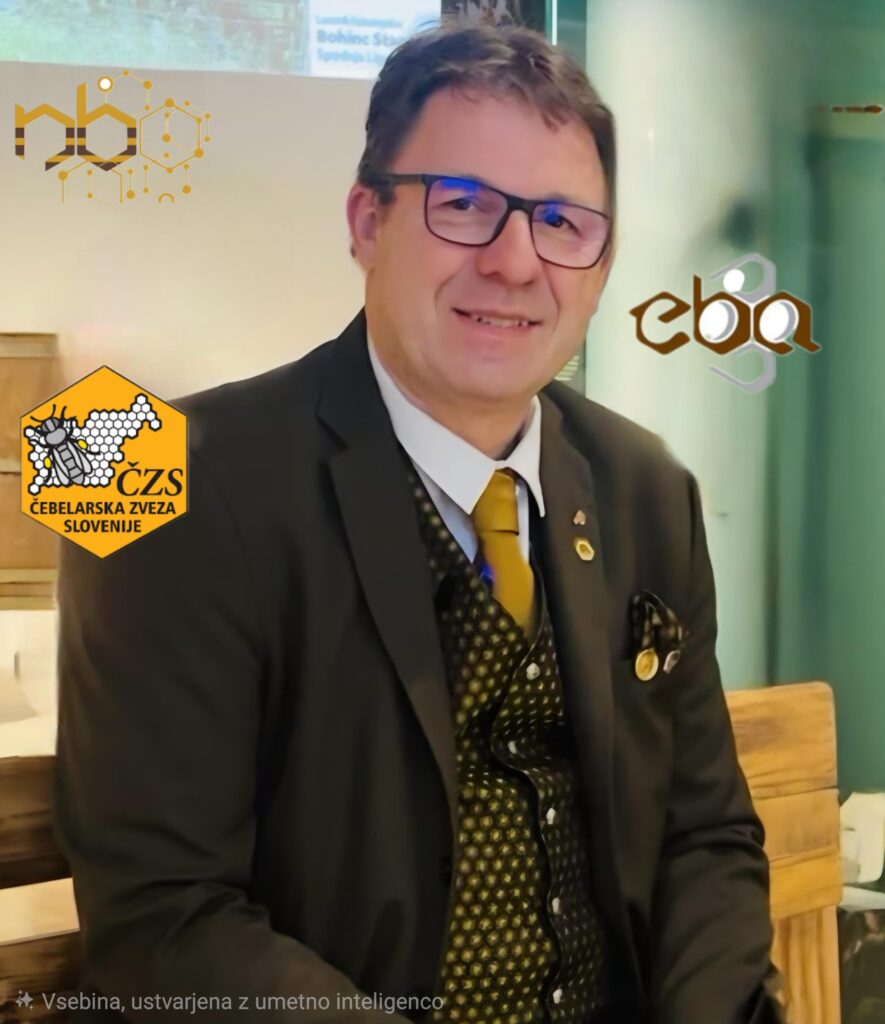
President Boštjan Noč stated on the occasion of World Bee Day:
“20 May is a day of pride for beekeepers all around the world. Today, I can proudly say that the world celebrates World Bee Day with great respect and recognition.
In 2017, the United Nations General Assembly unanimously proclaimed 20 May as World Bee Day, following the initiative of the Beekeepers’ Association of Slovenia, supported by the Republic of Slovenia and unanimously endorsed by all countries of the world. This represented a historic recognition of the importance of bees, beekeepers and pollinators for the future of humanity.
World Bee Day has exceeded all our expectations. Today, there is hardly a country in the world where people do not speak publicly about the importance of bees and pollinators on 20 May. As the initiator of this day, I could never have imagined that it would achieve such global recognition and respect. Among the many international awareness days, World Bee Day has become one of the most widely recognized and warmly embraced worldwide.
On this occasion, however, I must clearly warn the public: in the modern world, bees can no longer survive without the help of beekeepers. Climate change, pesticides, intensive agriculture and bee diseases are seriously threatening their existence.
Therefore, I sincerely thank all Slovenian and all other beekeepers around the world who care for bees every day, preserve them and thereby protect one of the key foundations of global food security. More than one-third of the world’s food production depends directly on pollination. Beekeepers are among the key guardians of the world’s food future.
It is therefore encouraging news that, at the beginning of this year, Europe finally started allowing direct payments per hive as compensation for the pollination services provided by bees.
Another major problem facing modern beekeeping is fake honey, which is destroying honest beekeepers and misleading consumers. According to the European Commission, as much as 47 percent of honey on the European market is adulterated — honey that bees have never even seen.
This is not only an economic problem for beekeepers, but also a serious warning for consumers. People consume honey and bee products to strengthen their health, while fake honey may also pose risks to human health.
Unfortunately, Europe still lacks sufficiently effective laboratory analyses, adequate laboratories and, above all, legislation that would permanently remove such products from the market.
Therefore, the greatest guarantee of quality for consumers is simple: buy local honey directly from beekeepers. In stores, choose honey originating from your own country or at least from Europe.
European politics is very well aware of this problem, yet concrete solutions are still missing. It must be said openly: the trade lobbies behind fake honey are currently stronger than the voice of beekeepers.
The only real solution is for beekeepers and consumers to join forces and send a clear message through their choices: we will not buy fake honey.
On the occasion of World Bee Day, I wish all beekeepers a joyful celebration, great pride and, above all, many healthy bees!”